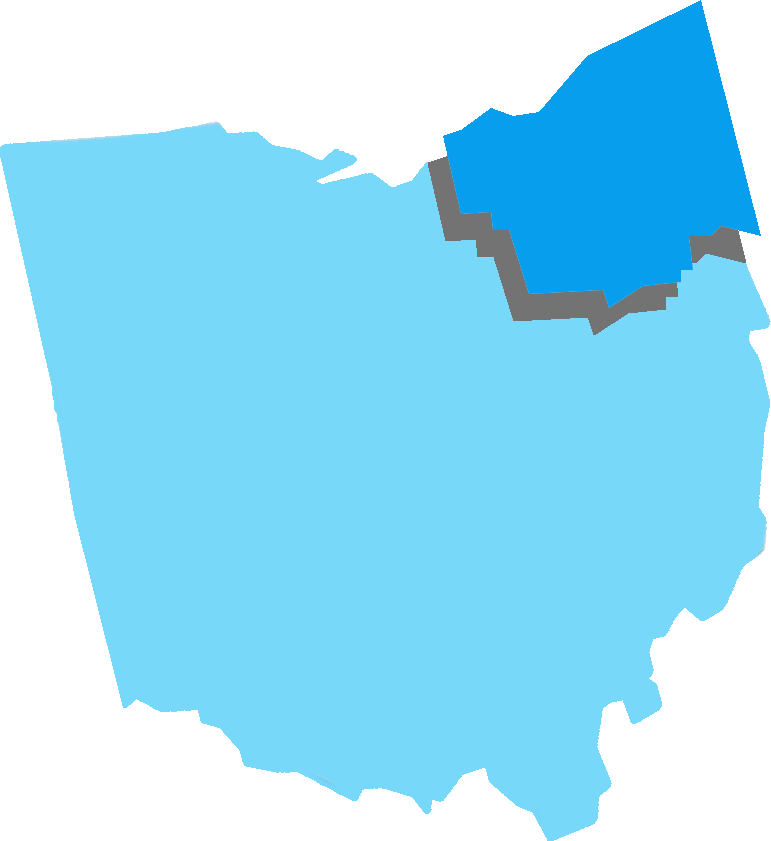
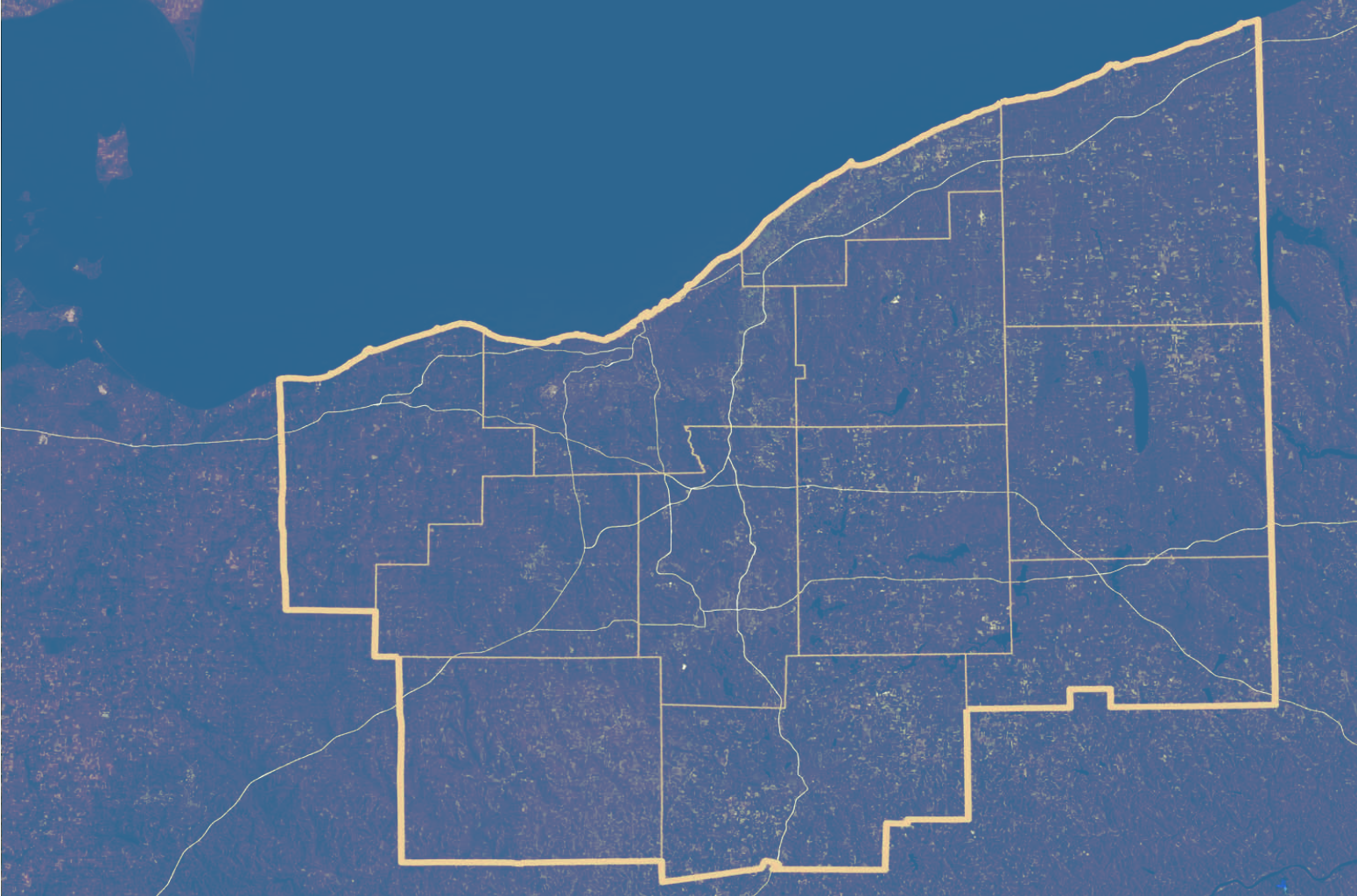
In 2010, civic leaders from a dozen counties launched a massive effort to assess conditions in Northeast Ohio and create a vision for securing the region’s shaky future.
More than 5,000 individuals and 170 organizations participated in a process headed by famed local planner Hunter Morrison. The work culminated in the release of “Vibrant NEO 2040” in March 2014.
Today, the mission remains as urgent as ever, but progress on the plan has been limited.
“Vibrant NEO 2040” is breathtaking in scope, covering an area from Ashtabula County in the east to Lorain County in the west and from Lake Erie on the northern end to Mahoning County in the south. A year after being released, it earned the American Planning Association’s prestigious national Daniel Burnham Award.
Initial funding included a first-of-its-kind $4.25 million grant from three federal agencies and $2.2 million from the consortium’s 33 board member organizations.
The plan’s spot-on themes underscore the connection that each corner of Northeast Ohio has to all the others: Invest in established areas; improve and coordinate transportation options, including cycling and walking, for work, travel, fitness and health; preserve natural resources; and promote government collaboration and efficiency.
The document came with warnings that failure to act risked a future marred by minimal job and population growth, increased abandonment of houses and businesses, continued threats to natural resources and extreme financial challenges for local governments.
You can find examples of regional cooperation in Northeast Ohio – for example, purchasing consortiums, senior transportation, joint dispatching of public safety forces, and SWAT and other specialized public safety teams. Cleveland Metroparks and other regional parks systems also stand out, as does the Northeast Ohio Regional Sewer District, though it must be noted that the sewer district was formed by court order.
“There’s been some collaboration, but not the kind of big projects you’d like to see,” former Shaker Heights Mayor Earl Leiken said. Leiken and Michael Summers, former mayor of Lakewood, chair the Northeast Ohio Sustainable Communities Consortium, which oversees implementation of the report.
Leiken said that because of the slow progress, NEOSCC might consider letting counties come up with individual plans.
Edward “Ned” Hill, professor emeritus in economic development at Ohio State University, supports starting with a smaller footprint.
Hill, who was a regional guru at Cleveland State University before joining OSU in 2015, said Northeast Ohio’s balkanization hinders broad collaboration. And any reform that suburban residents view as “Cleveland-centric” will be a tough sell, he added.
In the short term, Hill recommends building a track record of “small wins” and positioning the region to be ready when federal grants begin to flow again. Examples, he said, might include focusing on transportation that connects people to jobs or grouping the area’s successful land banks in an authority that redevelops abandoned properties.
“Narrow your focus and be successful,” he said. “Be pragmatic.”