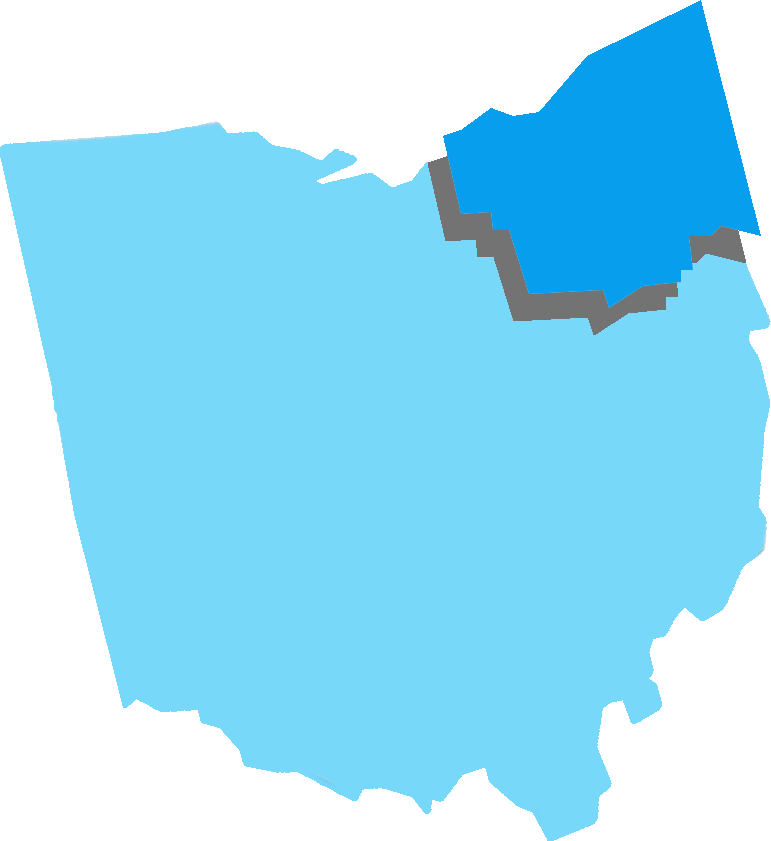
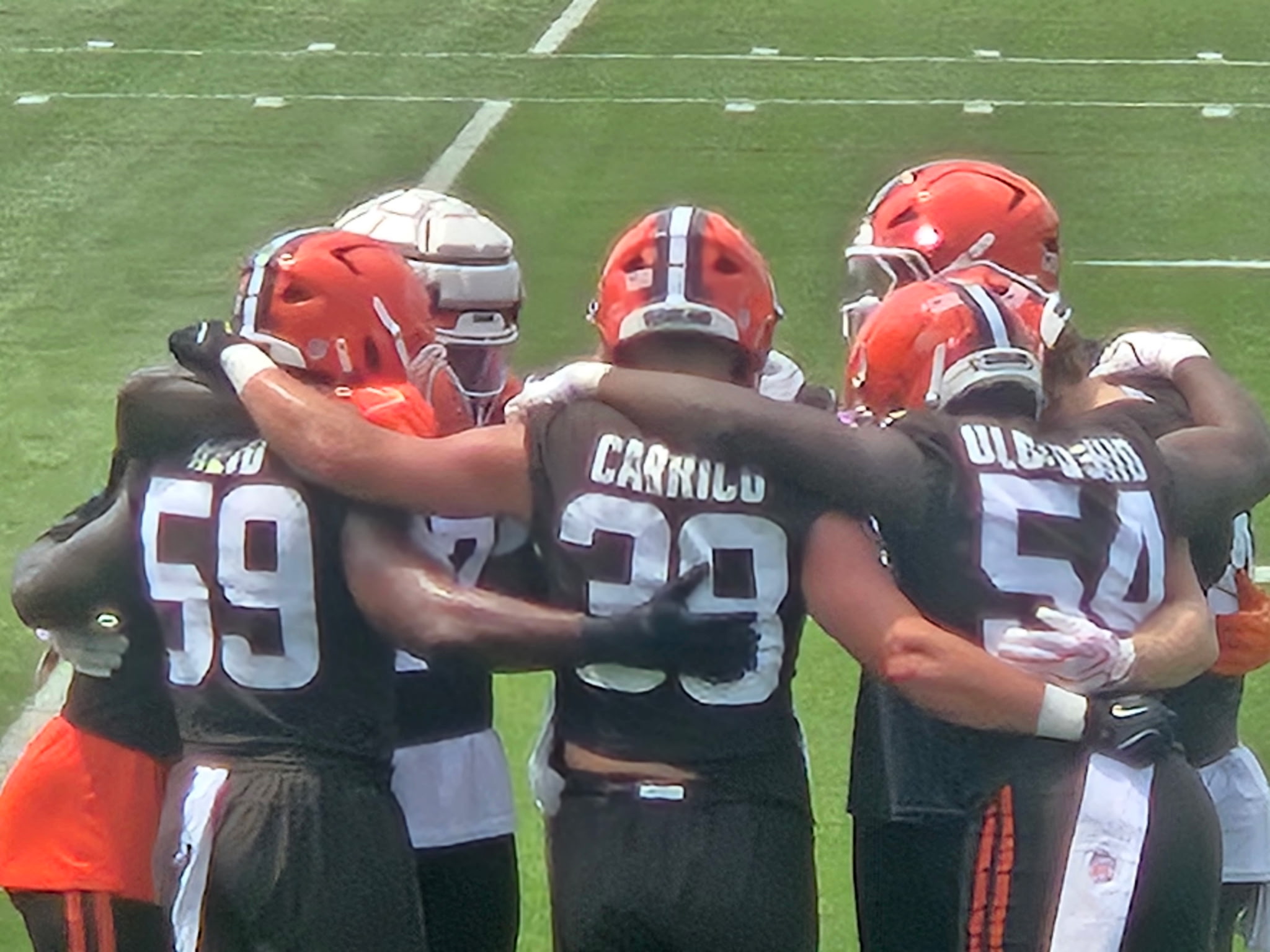
For a moment, set aside where you believe the Cleveland Browns should play their homes games and consider this: Those who favored building a domed stadium in suburban Brook Park and opponents who would have preferred that the team remain on the lakefront in Cleveland quarreled over sites that were only about 15 miles apart.
1NEO isn’t taking sides. Besides, the matter has been settled; the team is headed to Brook Park. But we can’t help but wonder whether the location would matter as much if Northeast Ohio’s myriad communities – 59 in Cuyahoga County alone — thought and behaved like a region, one where the costs and fruits of development are truly shared.
Experts say a genuine regional approach is critical to real prosperity. After all, Northeast Ohio’s selling points – world-class healthcare, higher education and culture; a rich history; the workforce; pro sports; bountiful, high-quality parkland; and a location on the shores of Lake Erie – are the draw here, not any single community.
Retired Cleveland State University Professor Thomas Bier, an expert on housing dynamics and other regional trends, cited the stadium ruckus while making the case for tax sharing among communities in an op-ed that The Plain Dealer and cleveland.com published last year. He questioned the dome’s economic impact but said the debate “does shine a light on what holds us back: a governing structure that pits city against city. If we want real growth, we need to start playing as a team.”
We all got a glimpse of the cracks in our region two years ago, when The Plain Dealer and cleveland.com suggested seeking a nine-county, quarter-percent sales tax to pay for building and maintaining airports and sports facilities. Eligible projects would not be restricted to Cleveland and Cuyahoga County, but officials in adjacent counties were skeptical that their residents would reap sufficient benefits.
Those who refuse to see beyond their borders might not realize it, but they already pay a price for Northeast Ohio’s splintered loyalties.
For decades, Northeast Ohio’s economy has grown at a pace well below the national average, Michael Weidokal, a Cleveland-based speaker, author and consultant in economics, geopolitics and global strategy, wrote last year as a guest columnist for The Plain Dealer and cleveland.com.
Weidokal listed longstanding political divisions among several challenges – he used the word “threats” — the region must overcome to compete in a global economy that he said is “in the midst of a fundamental transformation.” He also cited a shortage of young people to fill jobs, infrastructure limitations and the need for a growth mindset.
Gov. Mike DeWine touched on the importance of a team effort while visiting Northeast Ohio in early 2025, a trip that included huddling with business leaders.
While meeting with cleveland.com editors and reporters, DeWine was asked about the contrast between the booming Columbus area and lagging Greater Cleveland. When his media hosts pointed to the abundance of open land downstate, the governor directed their attention to another difference: Central Ohio communities working together to prepare sites and market the region.
“I spent three days specifically in Cleveland, talking to the local business community about more focus … (There are) major assets in the Cleveland area. Universities, big time. The Cleveland Clinic,” he was quoted as saying. “The other health institutions do research. These are great assets. We put money in to make those move forward.”
Broader comparisons to Columbus ignore other key differences, said Edward “Ned” Hill, professor emeritus in economic development at Ohio State University and a former faculty member at Cleveland State University. Despite its status as the capital of Ohio and home of Ohio State University, Columbus is the state’s youngest metropolitan area, and, unlike Cleveland, it made annexation to the central city a condition for extending water service.
Given Northeast Ohio’s balkanized landscape, Hill said, regional strategy here should begin with a focus on “small wins” that could include purposes such as building on existing land banks to comprehensively redevelop abandoned property. He also suggested more effectively aligning transportation to connect people with jobs and coordinated “placemaking,” the enhancing of public spaces to create urban vitality.
What could regional cooperation ultimately look like? Options, which could vary across Northeast Ohio, span a wide range: partnering on services, tax sharing among communities, merging communities or school districts, or forming consolidated city-county governments.
While formats might differ in composition, those that gain favor have one thing in common, said Chris Thompson, a civic collaboration consultant based in Northeast Ohio
“Regional cooperation requires those with authority to share power. Others will see their willingness and follow,” he said. “That is more likely to occur when there is a compelling, shared purpose. A purpose more specific than the vague idea of growing the regional economy.”